2026-09-22 · Derek Holloway
Signs Your Texas Home Needs a Repipe
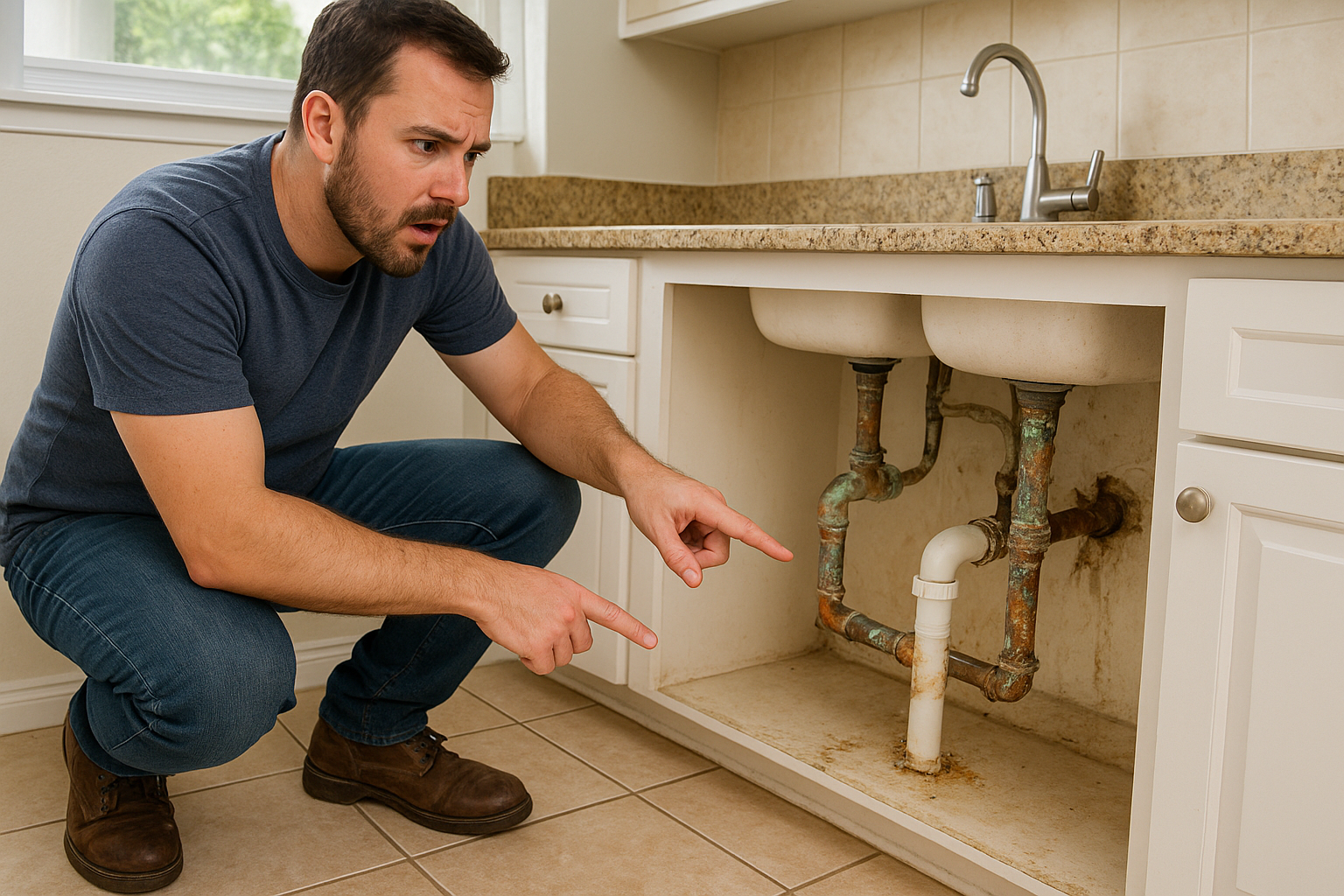
Homes in Houston and surrounding Harris County areas frequently need a whole-house repipe once pipes hit 40 to 60 years old, especially when low pressure, discolored water, or repeated leaks appear in properties from the Heights, Montrose, or Midtown. Subtropical heat and humidity accelerate corrosion in older galvanized lines while temperature swings stress joints in polybutylene systems common in 1970s and 1980s builds.
Frequent Leaks and Slab Damage
Houston's mild winters and hot humid summers cause ground movement that stresses buried pipes under concrete slabs, a common issue in Midtown and Downtown homes built on expansive clay soils. Homeowners often notice damp spots on floors, musty odors, or water stains on ceilings after heavy summer rains. In River Oaks and the Heights, older galvanized lines corrode from the inside, leading to pinhole leaks that appear every few months. These patterns differ from isolated fixture problems because multiple rooms lose pressure at once. When leaks cluster in the same plumbing runs, a full whole-house repipe becomes the practical fix rather than repeated patching.
Discolored or Metallic-Tasting Water
Rusty or brown water flowing from taps signals interior pipe corrosion, especially noticeable in morning draws after water sits overnight in humid Houston conditions. Residents in Montrose and Pearland report metallic tastes or staining on fixtures when galvanized pipes installed before 1980 begin shedding rust. This discoloration worsens during peak summer usage when higher demand stirs sediment. Polybutylene lines in Sugar Land subdivisions from the same era can leach chemicals that tint water slightly gray. Testing at multiple faucets confirms whether the issue runs through the entire supply rather than one fixture, pointing toward replacement of the main lines.
Declining Water Pressure Throughout the House
Sudden drops in pressure across all fixtures often trace to narrowed pipe interiors from mineral buildup and corrosion, a frequent complaint in 1950s to 1970s homes in the Heights and Katy. Houston's hard water combined with subtropical humidity speeds scale accumulation inside galvanized sections. Homeowners notice weak showers on upper floors or slow-filling tubs during evening peak hours. Unlike municipal supply fluctuations, this pressure loss stays consistent year-round. When pressure tests show the same low readings at every outlet, the distribution lines themselves require attention rather than just the meter or main valve.
Age of Home and Pipe Materials
Properties constructed between 1950 and 1990 in Harris County commonly contain galvanized steel or polybutylene that now exceed typical service life under local conditions. The Heights and Montrose feature many 1960s builds where these materials were standard before builders shifted to copper or early PEX. Nearby cities like Pearland and Sugar Land saw similar construction booms in the 1970s and 1980s. Checking shutoff valves or exposed sections in crawl spaces or attics reveals the original material. Once a home reaches this age range, even one major leak often signals the rest of the system is nearing failure, making proactive replacement the reliable long-term approach.
How Houston Climate Accelerates Pipe Wear
High humidity and temperature swings from 40 degrees in winter to over 95 in summer expand and contract pipe joints daily, weakening connections faster than in drier climates. Slab leaks increase after prolonged summer rains saturate the ground around foundations in Midtown and Downtown. In River Oaks estates with mature landscaping, tree roots seek moisture and invade older lines. These seasonal patterns mean leaks often surface between May and October rather than evenly throughout the year. Understanding this cycle helps owners anticipate when multiple signs appear together and plan accordingly.
Next Steps When Multiple Signs Appear
When low pressure combines with discolored water and recurring leaks, the system has reached the point where spot repairs no longer solve the underlying problem. Reviewing the polybutylene and galvanized pipe problems in older Texas homes article outlines material-specific failure modes seen across Houston. Homeowners then compare material options in the PEX vs copper repipe guide to match their property's layout. Checking recent water bills for unexplained increases provides another concrete indicator before scheduling an inspection.